
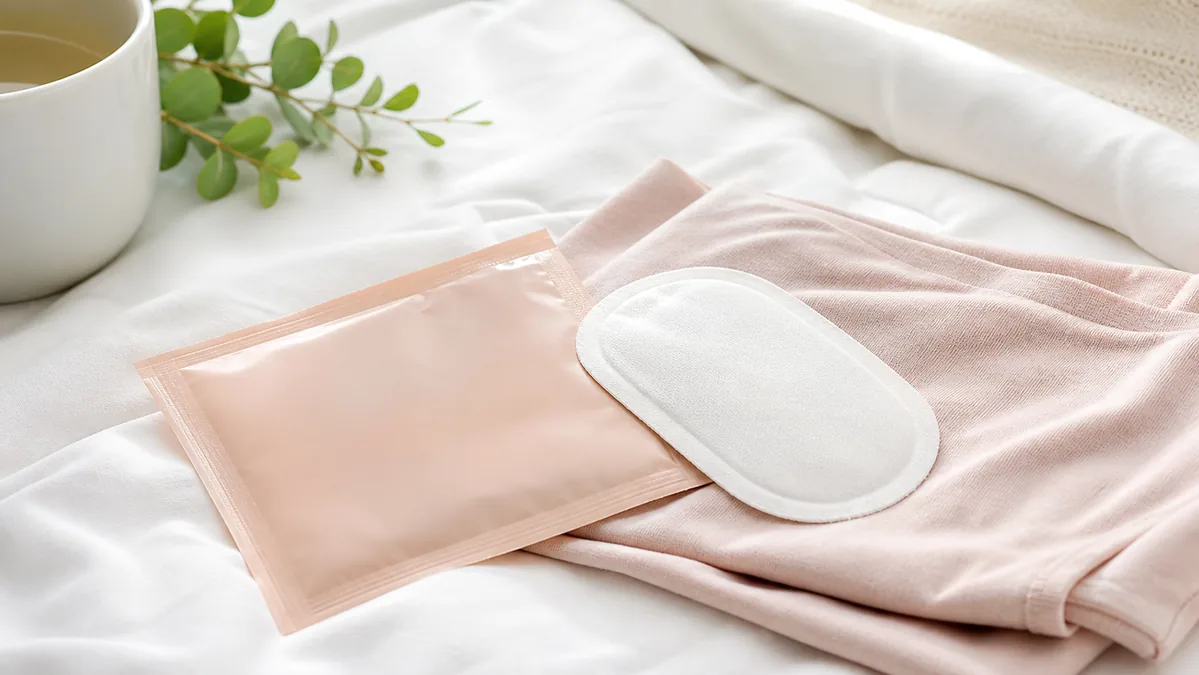
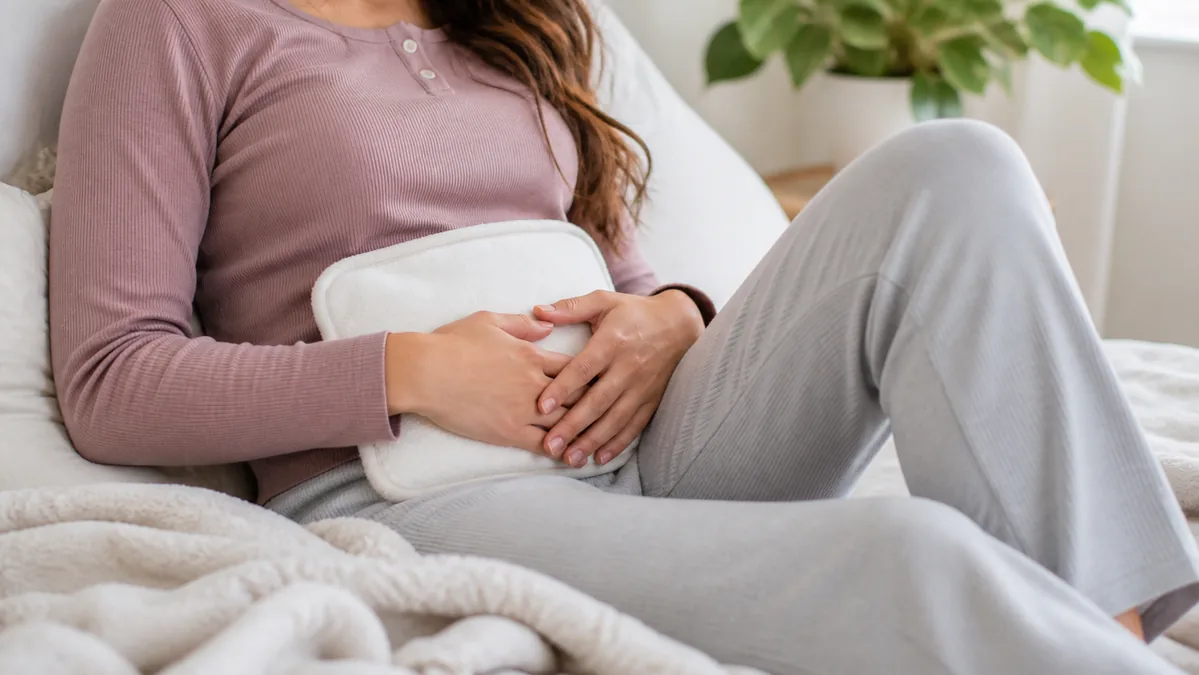
Period cramps can make everyday routines uncomfortable, especially during the first few days of menstruation. Many people feel tightness or discomfort around the lower abdomen or lower back, and warmth is one of the most common non-drug comfort methods used during this time.
A traditional heating pad can work well at home, but it is not always convenient when someone is working, studying, commuting, or traveling. A heating patch for cramps offers a portable alternative because it can provide continuous warmth without electricity or a hot water bottle.
This guide explains how heating patches work, where they are commonly placed, how they compare with heating pads, and what brands, wholesalers, and distributors should check before sourcing this product category.
What Is a Heating Patch for Cramps?
A heating patch for cramps is a portable warming product designed to provide heat around areas commonly associated with menstrual discomfort, such as the lower abdomen or lower back.
Unlike an electric heating pad, many disposable heat patches do not require power. Once activated, they gradually generate warmth and may continue working for several hours, depending on the product design, size, formula, and packaging.
For buyers looking for related products, Fangdi also supplies custom warm patch solutions for private-label and wholesale projects.
How Does a Heating Patch Produce Heat?
Many air-activated heating patches use heat-generating materials sealed inside breathable packaging. After the outer package is opened, oxygen reaches the ingredients and starts a gradual oxidation reaction. This reaction produces warmth in a controlled way.
A typical air-activated formula may include:
- Iron powder
- Activated carbon
- Salt
- Water
- Vermiculite or other heat-regulating materials
The exact formulation varies by manufacturer. A well-designed patch should not become too hot immediately. Instead, it should warm up gradually and maintain a stable temperature for the intended usage period.
Heating Patch vs. Traditional Heating Pad
Both products provide warmth, but they are designed for different usage situations.
| Feature | Heating Patch | Traditional Heating Pad |
|---|---|---|
| Portable | Yes | Limited |
| Electricity required | Usually no | Usually yes |
| Hands-free use | Yes | Limited |
| Easy to carry | Yes | Less convenient |
| Suitable for travel | Yes | Limited |
| Heat duration | Depends on product | Depends on settings |
| Temperature control | Usually preset | Often adjustable |
A traditional heat pad for cramps can be useful when resting at home. A disposable heating patch is often more practical when users want discreet, hands-free warmth during work, travel, school, or daily activities.
How Heat May Help with Period Cramps
Period cramps are linked to uterine muscle contractions during menstruation. Applying warmth is commonly used as a comfort method because it can create a soothing sensation around the affected area and help the muscles feel more relaxed.
A heating patch does not need to provide stronger heat than a traditional heating pad. Its main advantage is convenience. It allows users to apply warmth while continuing many normal daily activities.
How to Use a Heating Patch for Period Cramps
Always follow the product instructions because heating temperature, duration, placement, and application methods can vary by design.
Where Should You Place It?
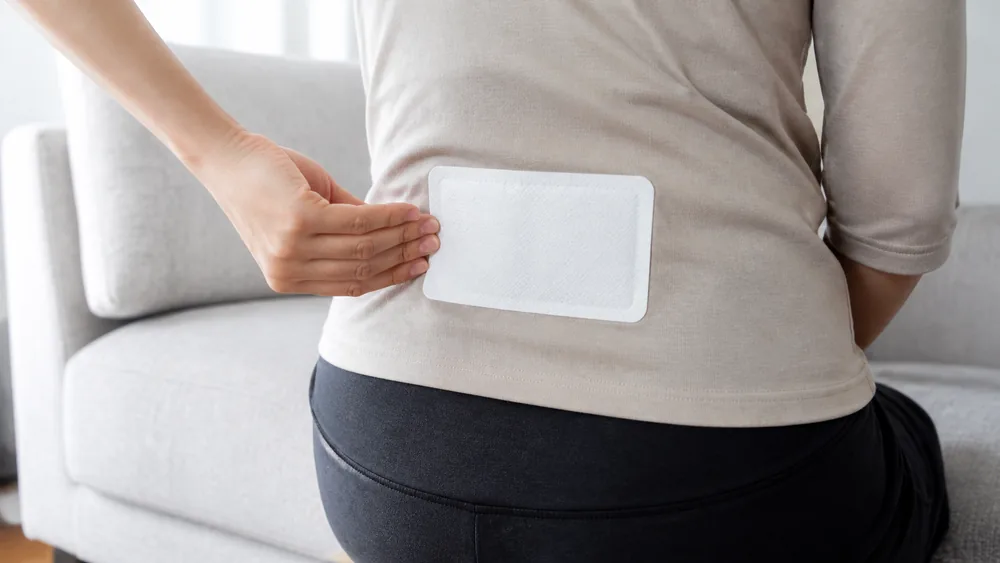
Common placement areas include the lower abdomen and lower back. Some heat patches are designed to attach to clothing instead of direct skin contact, while others may have different usage instructions. Correct placement is important for both comfort and safety.
How Long Should You Wear It?
There is no single wearing time that applies to every heating patch. Different products have different heating durations, temperature ranges, materials, adhesive designs, and application instructions. Users should follow the manufacturer’s recommended usage time.
Important Safety Tips
- Read all instructions before use.
- Use the patch only as directed.
- Do not use a damaged or leaking patch.
- Stop using it if the heat feels uncomfortable.
- Check whether the product is intended for clothing application or direct skin contact.
- Avoid using heat products while sleeping unless the instructions specifically allow it.
- Take extra care if you have sensitive skin or reduced heat sensitivity.
People with medical conditions that affect circulation, skin sensation, or heat sensitivity should follow appropriate professional and product-specific guidance.
When Is a Heating Patch Convenient?
Portability is one of the biggest differences between a heating patch and a conventional heating pad. A small disposable patch can fit into a handbag, backpack, suitcase, or desk drawer.
Common usage situations include:
- At work or school: provides warmth without carrying a hot water bottle or plugging in an electric device.
- While traveling: easy to pack for flights, train journeys, road trips, business travel, or vacations.
- At home: useful while reading, working from home, doing household activities, or relaxing.
- During daily activities: hands-free design helps users continue normal routines.
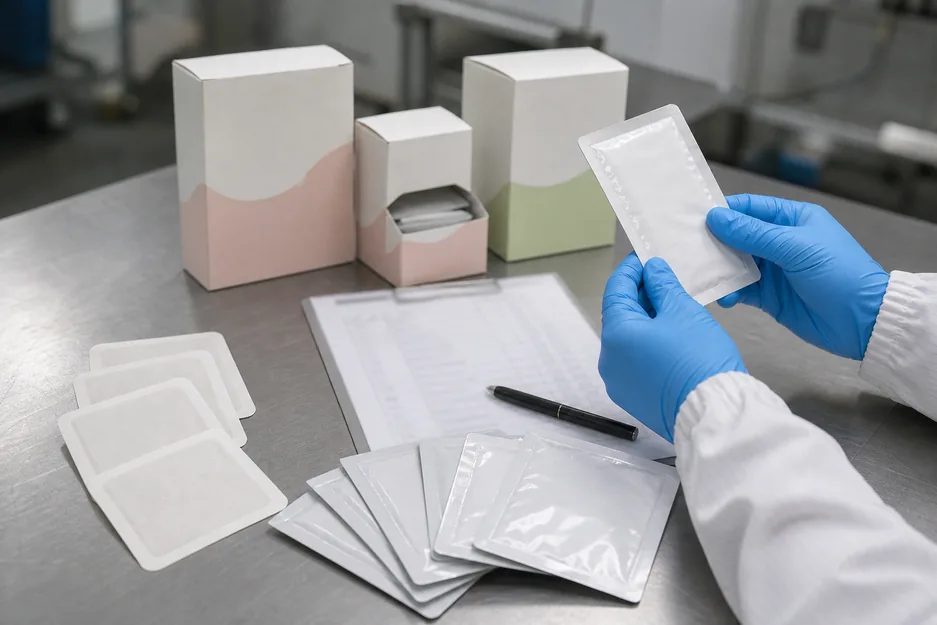
Heating patch samples, individual packaging, and QC checks are important for wholesale and private-label sourcing.
How to Choose a Heating Patch for Cramps
Not every heating patch has the same specifications. If you are comparing products, look beyond the packaging design and evaluate how the patch performs.
1. Heating Temperature
A good product should provide comfortable and controlled warmth. Extremely high temperature is not necessarily better. Consistency and temperature management are more important.
2. Heating Duration
Consider how long the product is designed to remain warm. Longer duration may be useful for work, travel, and other situations where users want continuous warmth for several hours.
3. Patch Size and Shape
Size and shape affect how the product fits around the intended area. Products designed for the abdomen, back, shoulder, or other areas may use different dimensions.
4. Adhesive Design
For adhesive products, the patch should remain securely positioned during normal use while still being convenient to remove according to its instructions.
5. Materials and Packaging
The internal heating formula, outer material, adhesive, and individual packaging all affect user experience. Air-activated products need reliable sealed packaging to prevent premature activation.
What Should Brands and Distributors Check?
For retailers, importers, and distributors, choosing a heating patch for cramps involves more than selecting a product that becomes warm. The complete product specification matters.
| Specification | What to Check |
|---|---|
| Patch size | Dimensions and intended application area |
| Heating duration | Target number of hours |
| Temperature | Heating range and consistency |
| Adhesive | Application method and holding performance |
| Packaging | Individual and retail packaging options |
| Branding | Private-label packaging requirements |
| Order quantity | MOQ for different configurations |
| Quality control | Production and inspection procedures |
The intended market also matters. A product for pharmacies, wellness retailers, or general retail may require different packaging, documentation, or positioning.
Before placing a bulk order, buyers should discuss both the heating patch itself and the final retail packaging with the manufacturer. You can also review our warm patch OEM manufacturer checklist before comparing suppliers.
Frequently Asked Questions
Are heating patches good for cramps?
Heating patches provide warmth around areas commonly associated with menstrual discomfort. Many people use heat as a simple comfort method during their period. Heating patches are especially convenient when portability and hands-free use are important.
Where should I put a heating patch for period cramps?
The lower abdomen and lower back are common areas, but placement depends on the specific product. Check whether the patch should be applied to clothing or used in another way, and follow the product instructions.
How long can I wear a heating patch?
It depends on the product’s heating duration and usage instructions. Do not assume that all heat patches can be worn for the same amount of time.
Can I use a heating patch while working or traveling?
Yes, portability is one of their main advantages. Many heating patches require no electricity and can provide hands-free warmth, making them convenient for work, commuting, and travel.
What is the difference between a heating patch and a heating pad?
A traditional heating pad is often reusable and may offer adjustable temperature settings, but it usually requires electricity. A disposable heating patch is smaller, portable, and typically requires no external power source.
Choose the Right Heating Patch for Your Market
A heating patch for cramps combines warmth with portability. Compared with a traditional heating pad, it can be easier to use during work, travel, school, and other everyday activities.
For consumers, important factors include heating duration, comfort, size, and ease of use. For brands, wholesalers, importers, and distributors, the decision also involves product specifications, packaging, quality control, and bulk-order requirements.
If you are sourcing heating patches for your brand or market, contact Fangdi to discuss available sizes, heating specifications, packaging options, and wholesale requirements.
Ready to Talk to a Manufacturer Directly?
Tell us your product idea and target market — we’ll reply within one business day with samples, MOQ and lead time.
Get a QuoteMore From the Blog
Get Sourcing Tips in Your Inbox
New guides on OEM sourcing, formulation and compliance — no spam, unsubscribe anytime.